
 LaOde M. Syarif *
Once upon a time… not long ago.
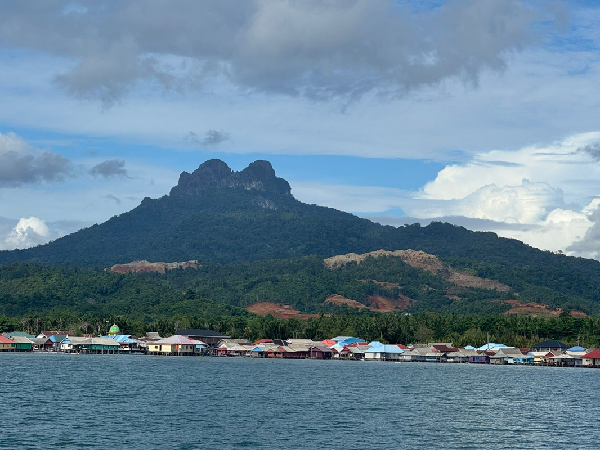
When we were in elementary school, we praised that island with a song: “Kabaena gunung-nya tinggi, ombak di laut sama ratanya.”
We praised it because that small island was the main producer of palm sugar that served the two bigger islands of Wuna-Wolio (Muna-Buton). That is why the inhabitants of the Wuna-Wolio islands named the palm sugar “gola kobaena“ because all palm sugar came from Kabaena.
The name of that island even originated from the “pogau Wolio” phrase “Ko-Baena” (“yang memiliki beras”), because that small island also served the Kraton of Wolio with high-quality fragrant rice.
Kobaena was the home of palm sugar, fragrant rice, cloves, cashews, nutmeg, and various species of fish, clams, sea cucumbers, and seagrass.
“Ombak di laut sama ratanya,” represents calm and clear seawater, where the Bajau, Moronene, Wuna-Wolio, Tolaki, and Bugis-Makassar peoples paddled and sailed their kole-kole, jarangka, sope, and phinisi to find the meaning of life in harmony with nature and their environment.
That was the old portrait and the dream of Kabaena in the minds of the local people.
Alas …
Today’s Kabaena is far …. different from the old portrait and the old song of the island.
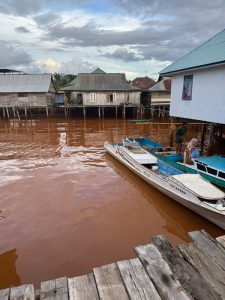
Pristine water has been replaced with sticky, dark-brown, toxic mud from the runoff of irresponsible nickel mining.
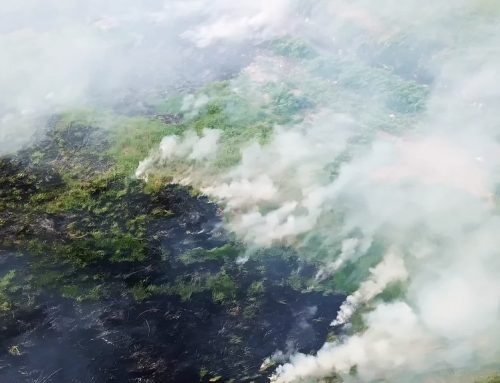
They dig the mountains, uproot the palm, clove, cashew, nutmeg, and breadfruit trees of the people, and destroy the island’s vegetation.
They pollute the water and divide the people.
They are even brave enough to destroy the vegetation around “batu sangia” (sacred rock), which guards the island from evil spirits.
Prohibited nickel mining on the small island has been legalized by corrupt politicians and greedy miners from faraway islands.
They replace pristine water with toxic brown mud, tear apart the fabric of society, and dance above the suffering of the local people.
The future generations of Kabaena are left with mountains full of deep wounds, a torn social fabric, endless conflict, and pools of toxic dark-brown water.
“Gola kobaena,” “gola kaluku,” and the genuine smiles of the people are replaced with deep wounds under the watch of “batu sangia,” which no longer has the power to contain the greed of politicians and the blackest hearts of the miners.
Kapal Kabaena-Kendari, 22 May 2026.
–##–
LaOde M. Syarif is Senior Lecturer at Hasanuddin University, Law School and Co-Founder of the Indonesia Ocean Justice Initiative (IOJI).
Writer’s Note:
- Kobaena: Old name of Kabaena given by the people of Muna and Buton.
- Batu sangia: Sacred rock on the peak of Kabaena island.
- Gola kobaena: Sugar from Kabaena.
- Gola kaluku: Gula kelapa (tradisional snack of Kabaena)
- Pogau Wolio: bahasa Buton
- Kole-kole: Canoe
- Jarangka: Bigger canoe with outriggers.
- Sope: Big boat with one mast.
- Phinisi: Bigger boat with two masts.
- Wuna/Wolio: Traditional names of Muna and Buton.


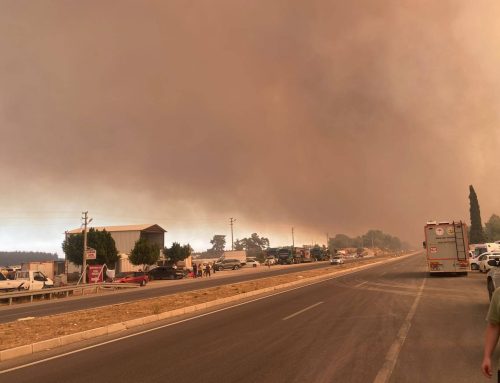



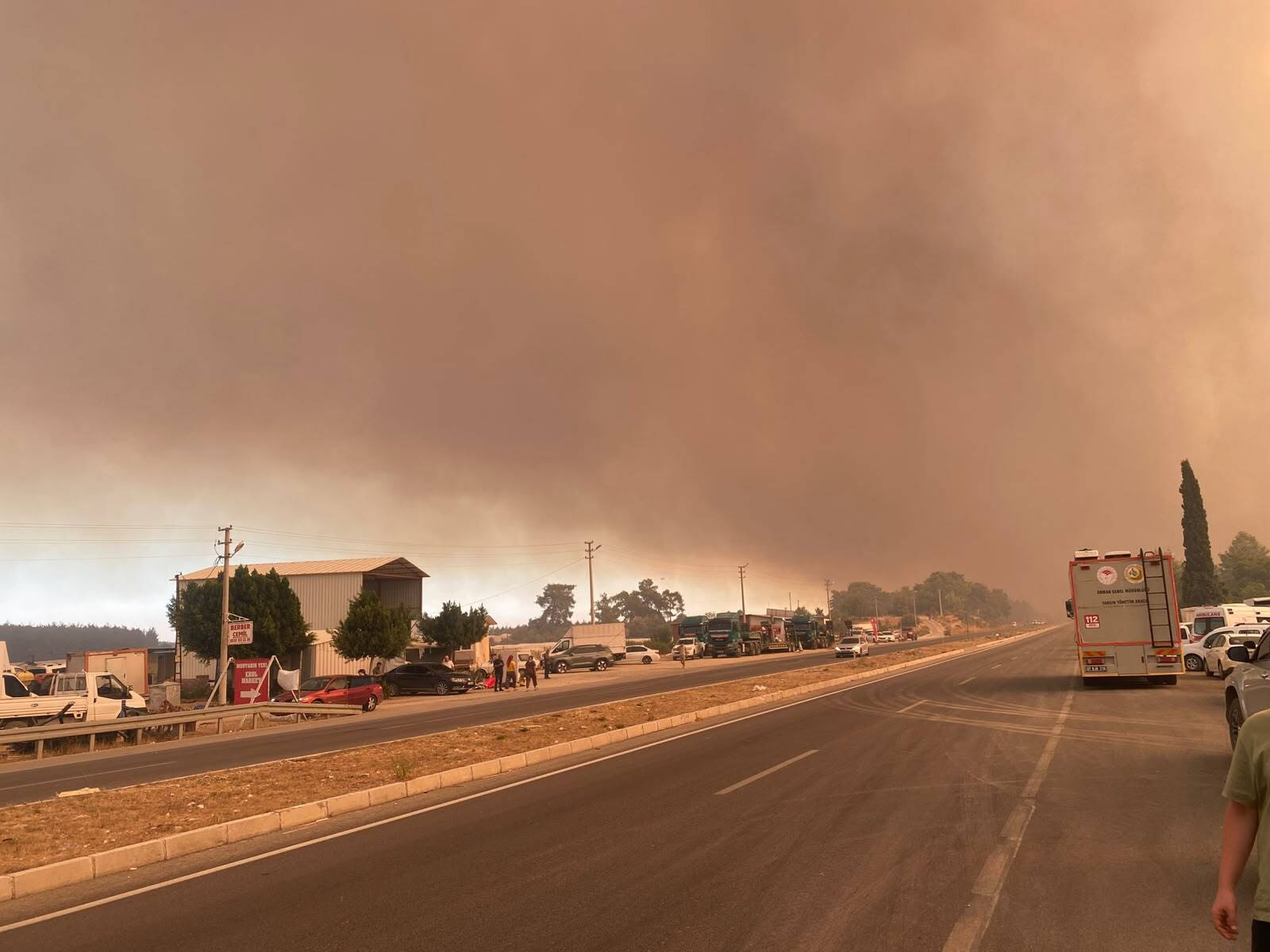
Even the devil feels insecure watching what they do.