

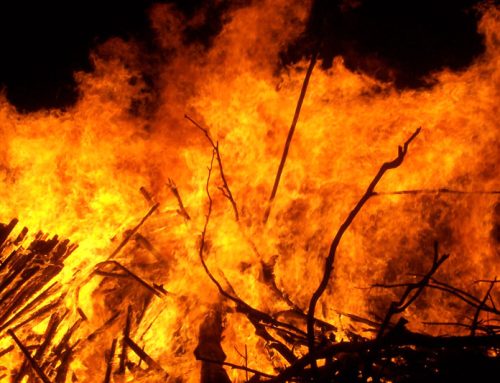
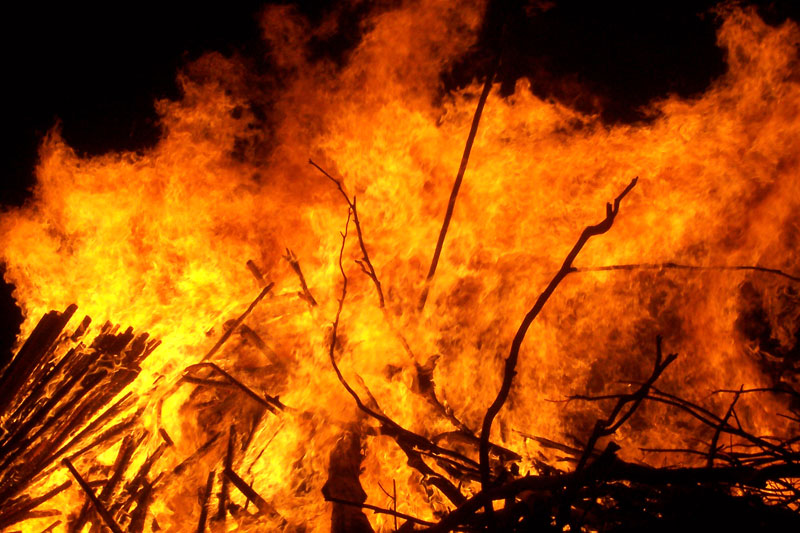
The EU’s Copernicus Climate Change Service has declared August 2026 the ‘world’s joint-hottest month,’ registering the second time global temperatures have hit a record monthly high of 16.96 C. Also marking the first time since November 2025 that temperatures have topped 1.5 C above pre-industrial levels, heat records confirm that the recent spate of deadly wildfires, heatwaves, droughts, and floods are indeed the markings of a planet on fire.
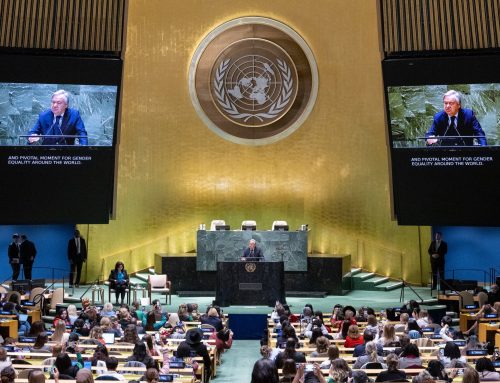
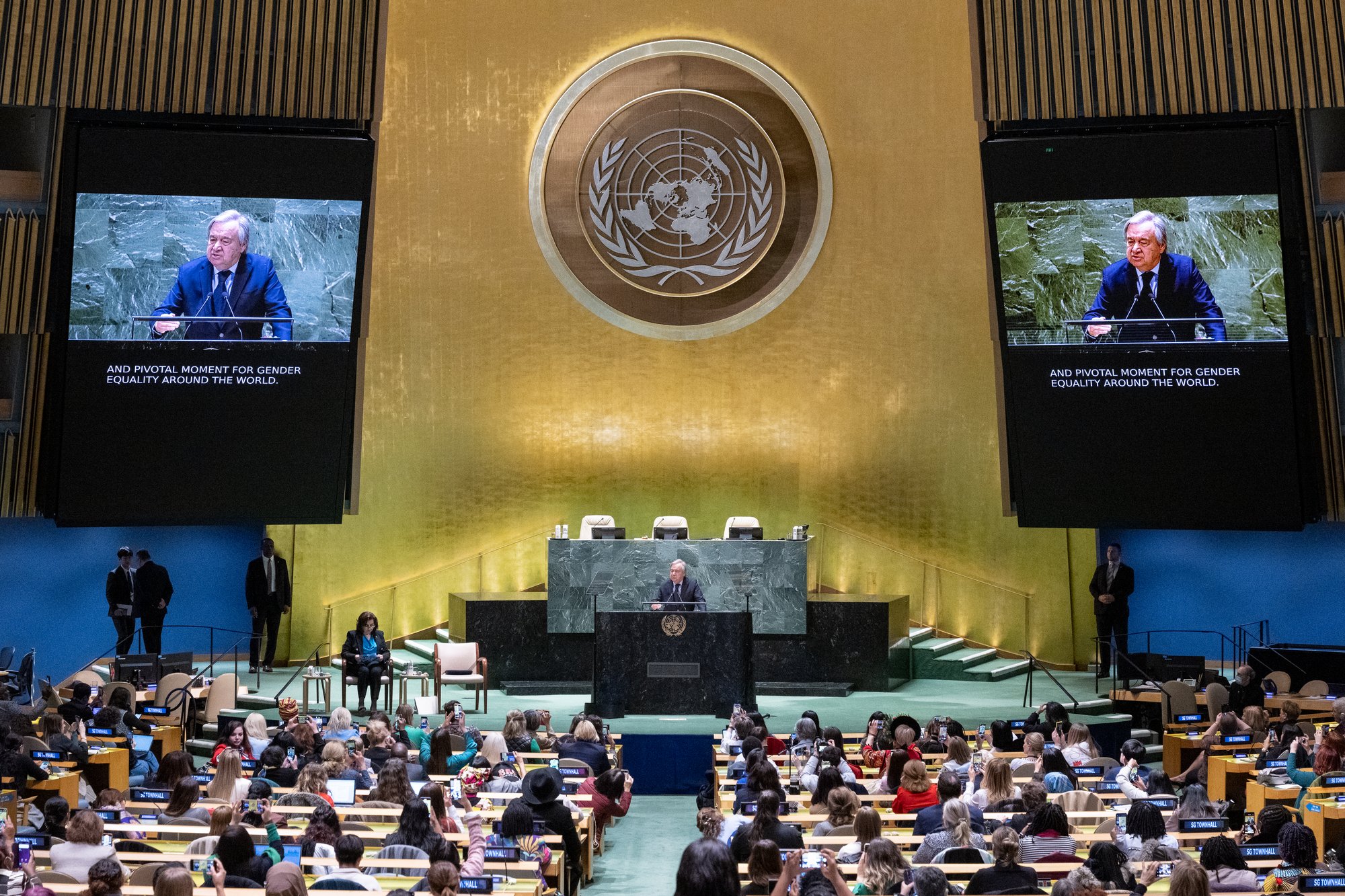
Climate group 350.org said that as the UN General Assembly approaches, world leaders must treat the climate crisis with urgency to prevent more catastrophic loss of lives and rising economic costs of extreme weather. In just the past few months, extreme heat and other climate disasters have caused tens of thousands of deaths – including 35,000 excess deaths during Europe’s heatwaves and the still rising number of casualties in Nepal’s glacial floods.
Anne Jellema, 350.org Executive Director said, “There’s no more room for doubt – the deaths and devastation we’ve witnessed in the past few months are the imprints of a planet on fire. Households already struggling with oil shocks are now being pushed past their limits in the face of climate disasters. Our leaders can’t just stand idly by as the world shoots past 1.5 C. The upcoming UN General Assembly must be a moment for leaders to signal their intention to put out the fire – by moving away from fossil fuels, not securing more of it. There can be no real security in a world on fire.”
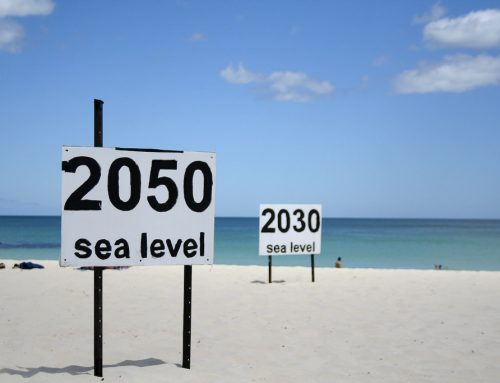
Fenton Lutunatabua, 350.org Pacific and the Caribbean Manager said, “We are approaching our cyclone season and the Super El Niño already has us on high alert. Disaster response agencies have issued advisories, and our people are preparing for another season of power cuts, lost crops, flooding and business closures. These record temperatures mean that the baseline has shifted dramatically higher. We’ve seen the devastation from rising temperatures on communities in Nepal, and our hearts feel their grief. It is grief that is tied to our own as rising seas take our homes and cemeteries, and cyclones claim lives and livelihoods. This is the reality of a world beyond 1.5 degrees, and it is a reality we refuse to accept.”
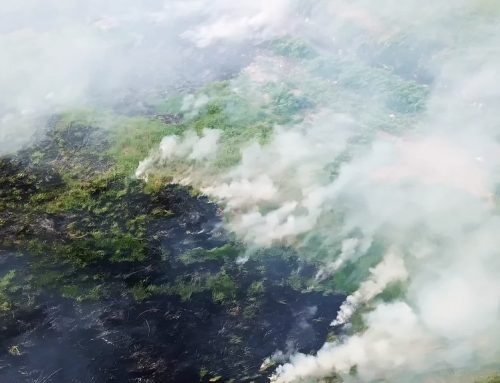
Sisilia Nurmala Dewi, 350.org Indonesia Manager said, “Indonesia’s worst wildfires in more than a decade are spreading toxic smoke throughout Southeast Asia and emitting record amounts of carbon into the atmosphere. This means people’s health and the climate will suffer long after the flames have been doused. While climate change isn’t the only factor, record heat has made the wildfires more devastating. Governments simply can’t afford the impacts of ignoring science. Economic damage is now estimated at trillions of rupiahs – polluters such as fossil fuel companies must be forced to foot the bill, not ordinary households.”
Media Contact:
Ilang-Ilang Quijano, 350.org Media Campaigner, ilang.quijano@350.org



Leave A Comment