

By: Hizbullah Arief *
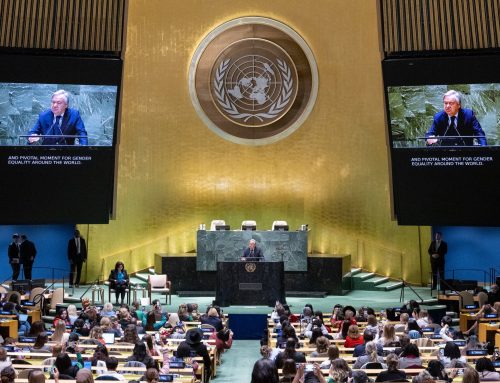
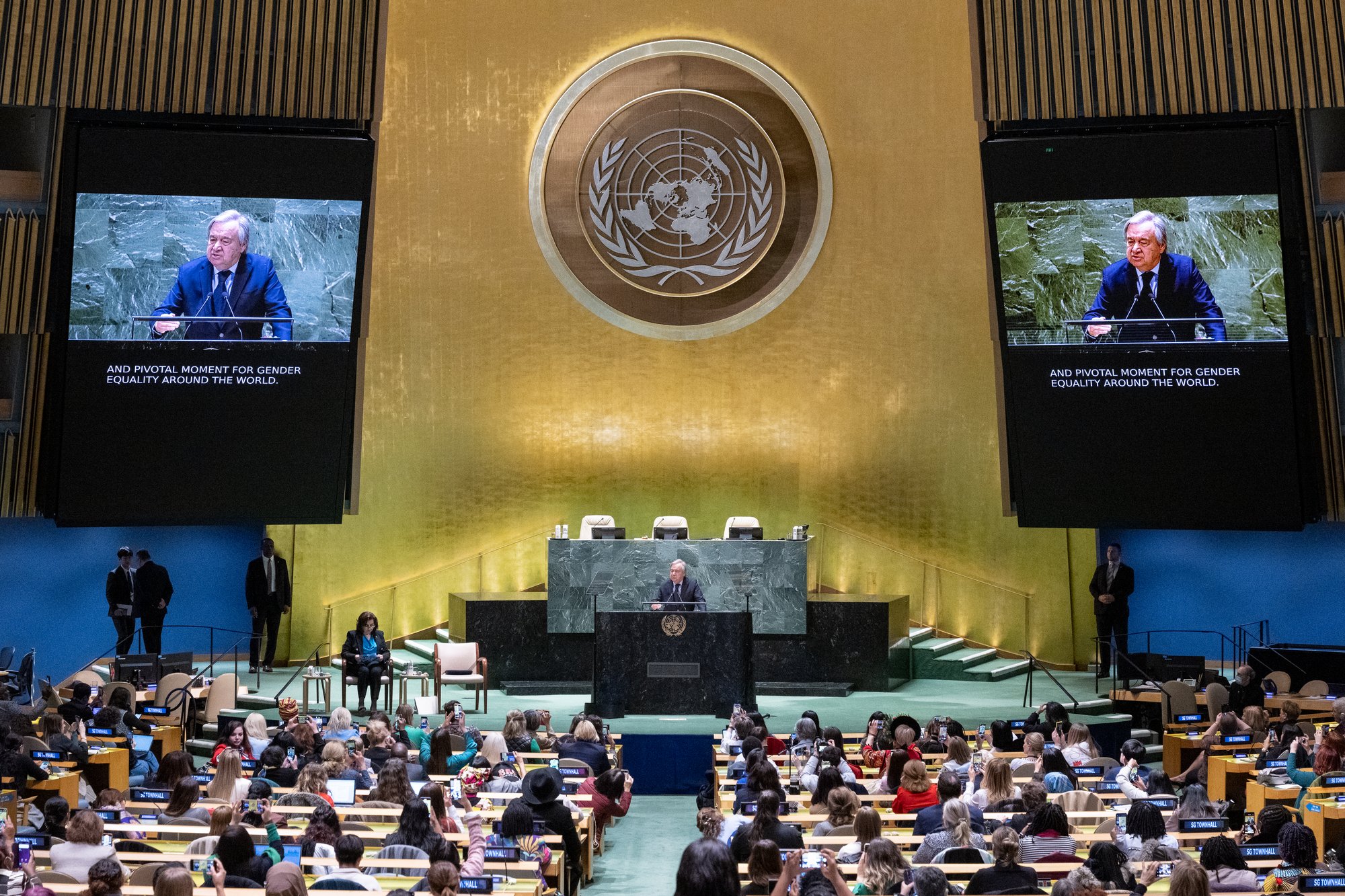
175 nations came to UN headquarters in New York on April 22 to sign Paris Agreement that marked an effort to limit global temperature rise below 2 degrees Celsius and if possible, to push forward more ambitious target of limiting global temperature rise below 1.5 degrees Celsius by the end of this century. The signatories are members of United Nation Framework Convention on Climate Change (UNFCCC). The signings follow nations’ adoption of the Paris Agreement at the end of last year in Paris.
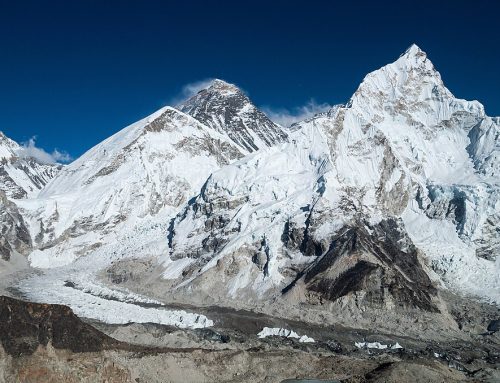
In the last couple of months, signs of worsening effects of climate change were imminent. Starting from Earth rotation shift by 17 cm due to the melting of ice cap in Greenland and Antarctica followed by the news from Japan meteorological agency mentioning that March is the hottest month ever since 1891, first time in a hundred twenty-five-year period.
The assignations in New York heralded the urgency of climate actions. However, more subsequent actions await including ratification of Paris Climate Agreement. The ratification means that the country that has signed Paris Agreement needs to integrate Paris Agreement targets into their national climate action plan.
First 15 countries have ratified Paris Climate agreement including Palestine which was included as member state of UNFCCC on March 17, 2016. In the next 30 days, UNFFCC expects more than 50 countries – which produced 50% of greenhouse gas emissions – will ratify the agreement.
Ratification of Paris Agreement will also open another opportunity. Hundreds of millions dollar funds from developed countries will be disbursed into programs in Indonesia to help mitigate, reduce greenhouse gas emissions and adapt to climate crisis through various initiatives in forestry, agriculture, energy sector, green communities etc.
Many of these programs are still buried under the radar although they have been designed to answering technical challenges like reducing greenhouse gas emissions, increasing climate resilience and promoting biodiversity protection. These projects need to undertake scientific and research activities at field and use the results as baseline information used in meeting project outputs and outcomes.
With the right knowledge management approach, these activities could gather new – and old knowledge in the form of local wisdoms from indigenous groups – to solve existing environmental problems. Business as usual practices require projects to hire consultants or specialists to help identify the right solutions at field. The projects will also work with local government or local stakeholders to ease coordination, and to make sure recommendations will be used and implemented.
This is when the interaction between local, national and international scientific communities happened. Local indigenous groups could trade their local knowledge to become international findings vice versa. Local knowledge – in which contains the local wisdom – many times provides more comprehensive understanding to develop even more comprehensive and targeted solutions. However, we need modern and scientific approaches used in developing global scientific knowledge to make sure that the indigenous wisdoms and lessons learned are all well-documented, analyzed and used.
Green media organizations – with help from international and national development programs – could host these green knowledges and channel the knowledge to green stakeholders – people and organizations seeking green, environmentally and climate friendly solutions. They could also put the systematic process of building solutions for local, national and global environmental problems on spotlight.
The next step, the green media organizations need to follow project’s implementation by focusing on the project cycle at national and local level. The process will monitor coordination between local, national and international stakeholders including between relevant ministries and agencies like Development Planning Agency, Ministry of Environment and Forestry, Ministry of Agriculture, Ministry of Energy and Mineral Resources etc.
The above measure is needed to make sure that Indonesia will bear fruits from various and expensive internationally funded development programs. Instead of waiting at the end of the program cycle – which usually lasts in 5 years – for the program to start telling their “success stories”.
Green media organizations should follow these hundreds of millions of dollars programs from the very beginning to ensure the right implementation, transparency and accountability of the programs. If well-documented, the program could contribute to the process of documenting of local wisdoms to be used in the global knowledge repositories. Using Creative Commons License, these approaches could also lead to better collaboration among nations to help solve the climate change and environmental problems.
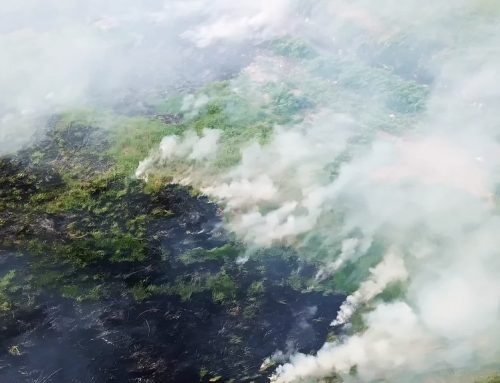
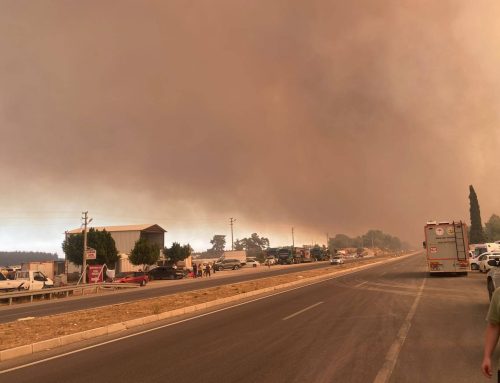
Where do we go from Paris? Green media organizations should pay a visit to Central Kalimantan that has haze problems, to Papua that endures mineral exploitation problems and to Aceh with its biodiversity protection challenges to produce inspiring stories from regionally and internationally funded programs to capture local, national and international coordination in building knowledge and solutions for local and global challenges.
—###—
*Hizbullah Arief is Founder of Hijauku.com (www.hijauku.com), independent portal which provides green inspirations and solutions towards sustainable development.



Leave A Comment