

La Ode M. Aslan *
Introduction
Indonesia’s forests constitute a globally significant natural asset. They support exceptional biological diversity, contribute to climate regulation, store substantial quantities of carbon, maintain watershed functions, and sustain the livelihoods of millions of people. From the tropical rainforests of Sumatra and Kalimantan to the forest ecosystems of Papua, these landscapes are integral to Indonesia’s ecological integrity, environmental security, and long-term socioeconomic development. Despite their importance, Indonesia’s forests continue to face pressures from deforestation, forest and land fires, peatland degradation, and unsustainable land conversion. These interconnected challenges will have implications that extend beyond the loss of forest cover. They affect human health, biodiversity, economic productivity, community livelihoods, and the ecological conditions required for sustainable development.
The urgency of these challenges is highlighted by the October 2026 fact sheet published by Greenpeace Indonesia and Pantau Gambut, entitled Saat Udara Bersih Dikorbankan demi Komoditas Global (Giving Up Clean Air for Global Commodities). The publication addresses the vulnerability of Indonesia’s peatlands to fire, the consequences of peatland degradation, and the implications of smoke pollution for communities within Indonesia and neighbouring countries. The findings reinforce the need to place forest and peatland protection more firmly within Indonesia’s development agenda. Although economic activities involving agriculture, plantations, forestry, and other commodities contribute to national production and employment, their benefits must be assessed alongside their environmental and social costs.
Forest protection should therefore be understood not as an obstacle to economic development, but as a fundamental requirement for maintaining ecological stability, protecting public health, and safeguarding intergenerational welfare. Against this background, “Save Our Indonesian Forests Now!” is proposed as a national call for public awareness, institutional accountability, and coordinated action. Its central objective is to encourage all sectors of society to recognize forest conservation as a shared responsibility and to translate this recognition into measurable environmental outcomes.
Forest and Peatland Fires as a Preventable Ecological Crisis
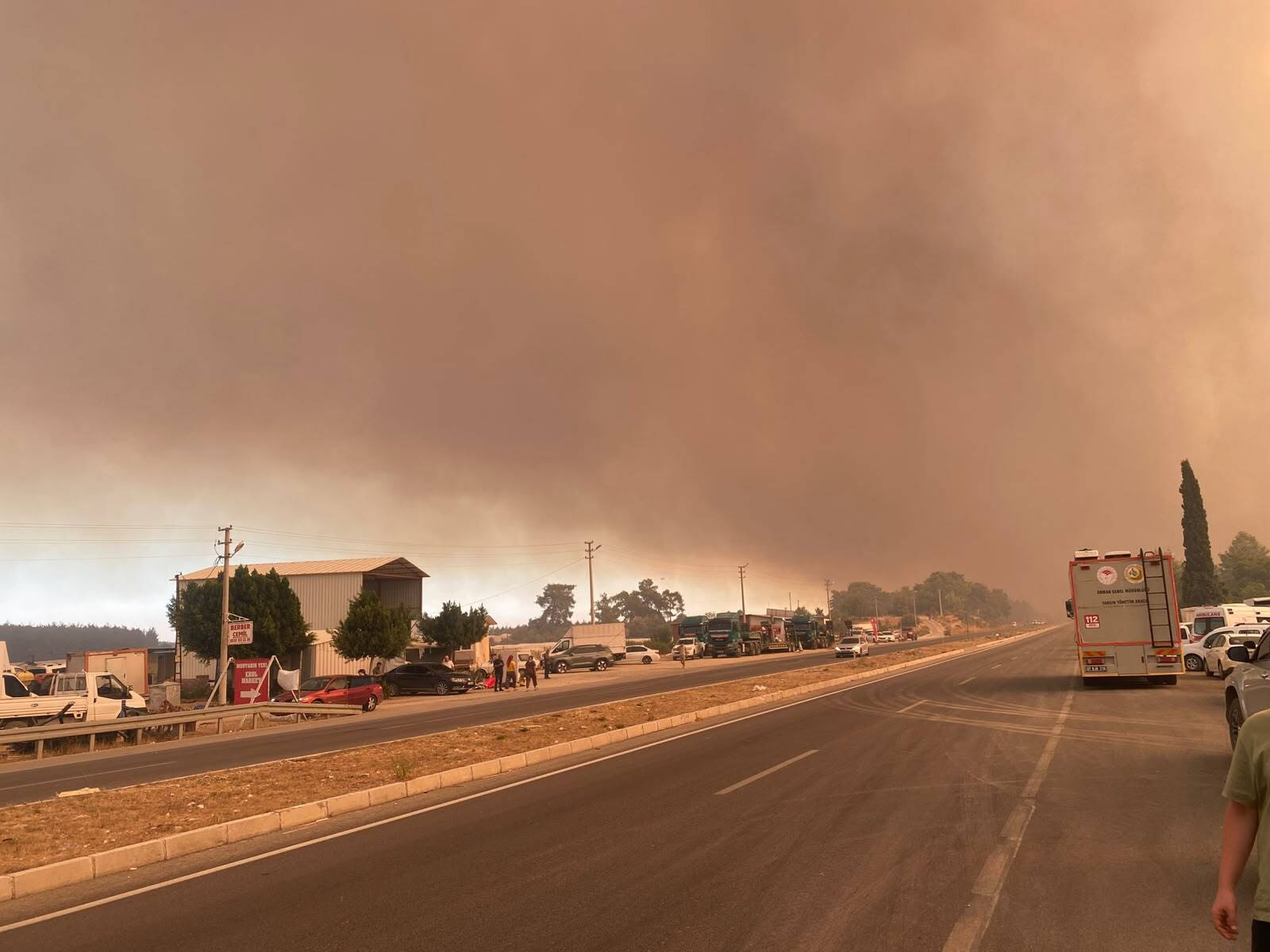
Forest and land fires in Indonesia are often associated with seasonal drought and climate variability, including conditions influenced by the El Niño phenomenon. Although climatic factors can intensify fire risks, they do not fully explain the occurrence, distribution, or recurrence of destructive fires. Land-management practices, peatland drainage, land conversion, inadequate prevention, and weaknesses in environmental governance can also contribute to fire vulnerability. Peatlands are particularly important in this context. These ecosystems contain accumulated organic matter that can remain vulnerable to combustion when drainage and degradation reduce moisture levels. Unlike fires confined to surface vegetation, peat fires can continue below ground, making them difficult to detect, contain, and extinguish. Their impacts may persist after visible flames have disappeared.
The Greenpeace Indonesia and Pantau Gambut (2026) fact sheet reports that approximately 16.4 million hectares of Indonesia’s 24.2 million hectares of peat hydrological units are vulnerable to fire. It also identifies an extensive network of artificial drainage canals, estimated at approximately 281,254 kilometres, that has altered peatland hydrology. These figures underscore the importance of protecting peatland water regimes and addressing the conditions that increase fire susceptibility.
Drainage and degradation can diminish peatland ecosystem functions, increase the likelihood of combustion, and facilitate the release of stored carbon when fires occur. Repeated burning may also impede natural forest regeneration and alter vegetation composition, soil properties, and habitat quality. Consequently, fire management should not be limited to emergency response. An effective strategy must combine prevention, early detection, rapid suppression, hydrological restoration, land-use regulation, and sustained monitoring. Existing forests and intact peatlands should be protected, while degraded areas should be restored according to their ecological characteristics.
Public Health Consequences and the Protection of Human Life
Forest and peatland fires have substantial public health implications, particularly when smoke pollution exposes communities to elevated concentrations of fine particulate matter. Particles with an aerodynamic diameter of 2.5 micrometres or less (PM2.5) can penetrate deeply into the respiratory system and are associated with adverse respiratory and cardiovascular outcomes. Children, older adults, pregnant women, and people with pre-existing health conditions may be particularly vulnerable to smoke exposure. Prolonged haze can also disrupt education, employment, mobility, and access to essential services, thereby extending the consequences beyond immediate clinical effects.
The Greenpeace Indonesia and Pantau Gambut (2026) fact sheet cites estimates associating long-term exposure to PM2.5 from peat fires in Sumatra and Kalimantan with approximately 33,100 premature adult deaths and 2,900 infant deaths annually. It also reports estimates of more than 4,390 additional hospital admissions for acute respiratory illness and at least 635,000 severe asthma attacks among children. These figures should be interpreted as model-based estimates of health impacts rather than counts of deaths and illnesses recorded exclusively during the 2026 fire season. Such estimates highlight the importance of treating fire prevention as a public health priority. Responses should include stronger early-warning systems, air-quality monitoring, public communication, health surveillance, emergency preparedness, and access to medical services during periods of severe smoke pollution.
Nevertheless, protective measures alone cannot adequately address the problem if the underlying sources of pollution remain unchanged. Effective public health policy must therefore be integrated with forest conservation, peatland restoration, and stronger enforcement of environmental regulations. Access to clean air is essential to public welfare. No community should be expected to bear avoidable health risks as an acceptable consequence of economic activity. Protecting forests and peatlands is consequently an investment in human health, social well-being, and the quality of life of present and future generations.
Biodiversity Loss and the Degradation of Natural Heritage
Indonesia is internationally recognized for its biological diversity. Its forest ecosystems provide habitats for numerous threatened and endemic species, including orangutans, Sumatran tigers, elephants, rhinoceroses, and a wide range of birds, reptiles, amphibians, insects, plants, and microorganisms. These organisms are interconnected through ecological processes such as pollination, seed dispersal, nutrient cycling, and food-web interactions. The integrity of forest ecosystems therefore depends not only on the presence of trees but also on the maintenance of habitat structure, ecological connectivity, and biological diversity.
Forest fires can directly kill or injure wildlife, destroy nesting and feeding habitats, and displace animals into surrounding landscapes. Repeated fires may further fragment habitats, alter vegetation composition, degrade soils, and reduce the capacity of ecosystems to recover. These effects may be particularly severe in areas already affected by logging, plantation expansion, infrastructure development, and other forms of land-use change.
Biodiversity loss also has socioeconomic and cultural consequences. Forest-dependent communities may lose access to natural resources that support traditional livelihoods, food security, and cultural practices. At a broader scale, ecological degradation can weaken ecosystem resilience and reduce the capacity of landscapes to provide essential services.
Forest conservation must therefore extend beyond the protection of individual tree stands. Priorities should include safeguarding conservation areas, maintaining wildlife corridors, recognizing the rights of Indigenous peoples and local communities, and protecting ecologically sensitive landscapes.
Restoration initiatives should emphasize the recovery of native vegetation, habitat connectivity, hydrological functions, and ecological processes. Their success should be assessed through measurable improvements in ecosystem condition rather than relying exclusively on the number of trees planted. The conservation of Indonesia’s forests is thus essential to protecting its natural heritage and maintaining the ecological foundations of sustainable development.
Economic Development, Commodity Production, and Environmental Costs
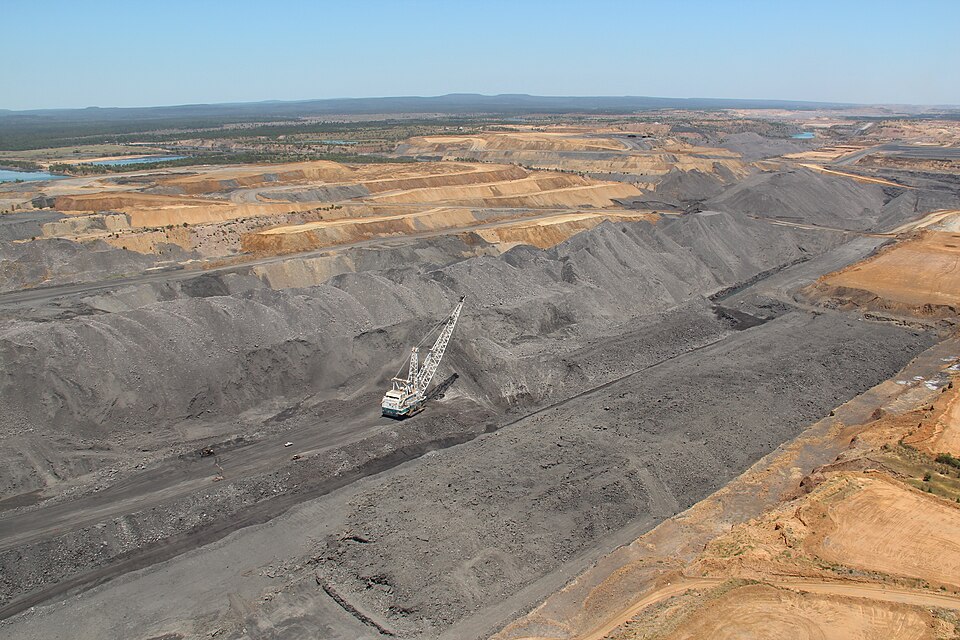
Agriculture, plantations, forestry, mining, and other commodity-producing sectors contribute to Indonesia’s economy through employment, investment, exports, and regional development. However, the economic benefits of these activities must be evaluated alongside their environmental costs and implications for public welfare. Forest and peatland fires can damage agricultural production, infrastructure, and tourism; disrupt transport and education; reduce labour productivity; increase healthcare expenditure; and generate substantial costs for firefighting and ecosystem restoration. The release of greenhouse gases from burning vegetation and peat also contributes to climate change, creating additional environmental and economic risks.
A central issue concerns the distribution of benefits and costs. Economic gains from particular land-use activities may accrue to specific enterprises and investors, whereas the costs of air pollution, ecosystem degradation, and public health impacts may be distributed across communities and society more broadly. This raises important questions of environmental justice, economic accountability, and the responsibilities of businesses operating in fire-prone landscapes. We should pay attention to the relationship between global commodity production, peatland vulnerability, and the consequences of recurrent fires. These concerns warrant transparent investigation, rigorous assessment of land-use policies, and effective enforcement where environmental violations are established.
Economic performance should not be evaluated solely through commodity output, export revenue, or short-term investment returns. A more comprehensive assessment should also consider ecosystem integrity, public health, livelihood security, climate resilience, and the long-term costs of environmental degradation. Indonesia can pursue economic development while protecting its forests. Achieving this objective requires credible environmental safeguards, responsible business practices, transparent supply chains, effective monitoring, and consistent implementation of environmental law.
Transboundary Haze and Regional Environmental Responsibility
The environmental consequences of forest and peatland fires may extend beyond Indonesia’s national borders. Smoke transported by prevailing winds can expose neighbouring populations to air pollution and disrupt public health, transportation, education, tourism, and economic activities. Malaysia and Singapore have experienced transboundary haze associated with fires across the wider Southeast Asian region. The Greenpeace Indonesia (2026) fact sheet reports haze-detection periods of 55 days in Sarawak, 16 days in Sabah, 13 days in Johor, 13 days in Kuala Lumpur, and five days in Singapore, up to 1 October 2026.
These figures should be understood as reported periods of haze detection. They do not, by themselves, establish the origin of every pollution episode or demonstrate that all detected haze was attributable exclusively to fires in Indonesia. Nevertheless, they illustrate the regional significance of air-quality monitoring and coordinated fire prevention.
Transboundary haze is both an environmental management challenge and a matter of regional public health. Its prevention requires improved information exchange, satellite-based monitoring, early-warning systems, emergency coordination, and cooperation among ASEAN member states. Indonesia has a responsibility to protect its population and to strengthen measures that prevent avoidable environmental harm originating within its territory. At the same time, regional cooperation must be based on credible evidence, shared responsibility, and respect for national and regional institutional frameworks.
Domestic action remains essential. Effective enforcement, improved land management, peatland restoration, and responsible commodity production are central to reducing the risk of recurring fires. Therefore, protecting Indonesia’s forests and peatlands is an important contribution to the environmental health and economic stability of Southeast Asia.
Environmental Accountability and the Rule of Law
Effective forest protection requires institutions capable of preventing environmental harm, investigating violations, and ensuring that responsible parties are held accountable in accordance with applicable law. Where investigations establish illegal burning, unlawful land clearing, negligence, or other environmental violations, appropriate legal consequences should follow. Accountability should apply to individuals, companies, concession holders, and other actors where the available evidence establishes responsibility.
Environmental enforcement should be transparent, consistent, evidence-based, and independent of inappropriate economic or political influence. Relevant measures include investigating recurring fires in concession areas, disclosing investigation outcomes, enforcing restoration obligations, and preventing unlawful activities from generating economic advantages.
Authorities should also review land-use permits and management arrangements where credible evidence indicates serious environmental risks or non-compliance with applicable regulations. Such reviews must follow due process and be supported by reliable evidence. At the same time, environmental enforcement should distinguish between deliberate violations and the circumstances of vulnerable communities. Smallholders and local residents may require technical assistance, affordable alternatives to fire-based land clearing, access to sustainable livelihood opportunities, and practical support for complying with environmental regulations. Environmental justice therefore requires both accountability for proven wrongdoing and assistance for communities seeking to manage their land sustainably. The ultimate objective is to establish a governance system in which environmental protection is an enforceable obligation and preventing ecological damage becomes an integral part of responsible economic activity.
From Public Awareness to Collective National Action
Forest protection requires sustained engagement from government institutions, universities, businesses, Indigenous peoples, local communities, civil society, professional associations, the media, and younger generations. Several complementary actions are particularly important.
Government institutions should strengthen fire prevention, peatland hydrological restoration, environmental monitoring, emergency preparedness, and enforcement of land-use regulations. Responsibilities should be clearly allocated, supported by adequate resources, and evaluated against measurable targets.
Universities and research institutions should contribute independent scientific evidence, develop improved fire-risk assessment methods, evaluate restoration outcomes, and support public education. Interdisciplinary collaboration is particularly important because the problem involves ecology, climate science, public health, economics, and governance.
Businesses and commodity producers should implement traceable and deforestation-free supply chains, assess environmental risks, disclose relevant information, and comply with fire-prevention and restoration obligations. Commercial success should be compatible with the protection of ecosystems and the rights of affected communities.
Indigenous peoples and local communities should participate meaningfully in forest governance. Their knowledge of local landscapes and ecological change can contribute to fire prevention and restoration, while recognition of their rights is essential to equitable environmental management.
The media and civil society organizations should support evidence-based public communication, independent monitoring, access to environmental information, and constructive scrutiny of policy implementation.
Citizens and younger generations can contribute through environmental education, participation in legitimate conservation initiatives, community-based monitoring, restoration activities, and reporting suspected violations through appropriate channels.
These activities should be evaluated using indicators such as changes in fire frequency and burned area, peatland hydrological condition, air quality, forest recovery, biodiversity protection, and compliance with environmental regulations. Public awareness is necessary, but its effectiveness depends on whether it produces sustained institutional change and measurable improvements in environmental conditions.
Toward Sustainable Prosperity Without Forest Destruction
Indonesia’s development strategy should recognize healthy forests and peatlands as productive natural assets rather than resources whose value is determined solely by their potential for conversion. Sustainable agriculture, agroforestry, community-based forest management, ecological restoration, responsible ecotourism, and other environmentally sound economic activities can support employment and livelihoods while maintaining important ecosystem functions. Development planning should incorporate the long-term value of forests, including carbon storage, watershed protection, biodiversity conservation, climate regulation, and reduced exposure to environmental hazards. Land-use decisions should be informed by scientific assessment, transparent governance, and meaningful community participation.
Restoration of degraded forests and peatlands should be treated as a long-term investment requiring appropriate financing, technical capacity, and continued monitoring. Performance should be assessed according to ecological recovery and sustained reductions in fire risk, rather than relying exclusively on short-term project outputs.
Indonesia also has an opportunity to demonstrate that a major commodity-producing economy can improve environmental performance while maintaining economic activity and international competitiveness. Realizing this vision requires coordination across government, industry, research institutions, civil society, and local communities. It also requires a development framework that recognizes long-term public welfare and ecological integrity as essential components of economic progress.
Conclusion
Indonesia’s forest and peatland fire crisis illustrates the interconnected relationships between land-use decisions, environmental governance, human health, biodiversity, and economic development. The consequences extend beyond burned landscapes to include air pollution, ecosystem degradation, livelihood disruption, and transboundary environmental risks.
Responding effectively requires a coordinated and sustained commitment. Government institutions must strengthen forest and peatland protection. Law enforcement agencies must investigate environmental violations fairly and consistently. Businesses must take responsibility for their environmental impacts. Universities must contribute scientific knowledge and public education. Communities must be empowered to participate in forest governance, while citizens and civil society must sustain constructive public scrutiny.
Economic development should not be pursued at the expense of ecological integrity and public health. Forests are not merely commodities; they are living ecosystems that sustain biodiversity, regulate the climate, protect water resources, and support the well-being of present and future generations.
The time has come to transform public concern into sustained national action. The campaign “Save Our Indonesian Forests Now!” should serve as a call for collective responsibility, evidence-based policymaking, and measurable progress in forest conservation. Protecting Indonesia’s forests is a national responsibility with important regional and global implications. It is essential to environmental security, sustainable prosperity, and intergenerational justice.
Indonesia’s future depends, in part, on the decisions made today. The responsibility of this generation is to ensure that the country’s forests remain a living natural heritage rather than a legacy of irreversible ecological loss.
Our forests sustain life. Their protection is our shared responsibility.
–##–
* La Ode M. Aslan is a professor of aquaculture and mariculture at Halu Oleo University (Universitas Halu Oleo / UHO) in Kendari, Southeast Sulawesi, Indonesia.




Leave A Comment