

South Korea and Pakistan are the latest Asian nations to accept oil and gas deals as part of trade negotiations with the U.S. Coming at the heels of Indonesia agreeing to import $15 billion worth of U.S. oil and gas to avoid higher tariffs, 350.org Asia expressed its concern that such trade deals will lock the region into fossil fuel dependency, further exacerbating the climate crisis.
Chuck Baclagon, 350.org Asia Regional Campaigner says:
“We are in the final laps of the climate race—and instead of easing off the fossil fuel accelerator, countries like South Korea are being forced to slam it down again. Under pressure from the U.S., they’re signing up for more LNG imports, even though recent studies show American gas—leaking methane at every stage—is sometimes worse than coal when it comes to warming the planet. It’s like pulling into the pit stop and swapping out your worn tires for something even less reliable, just as the clean energy car was finally picking up speed.
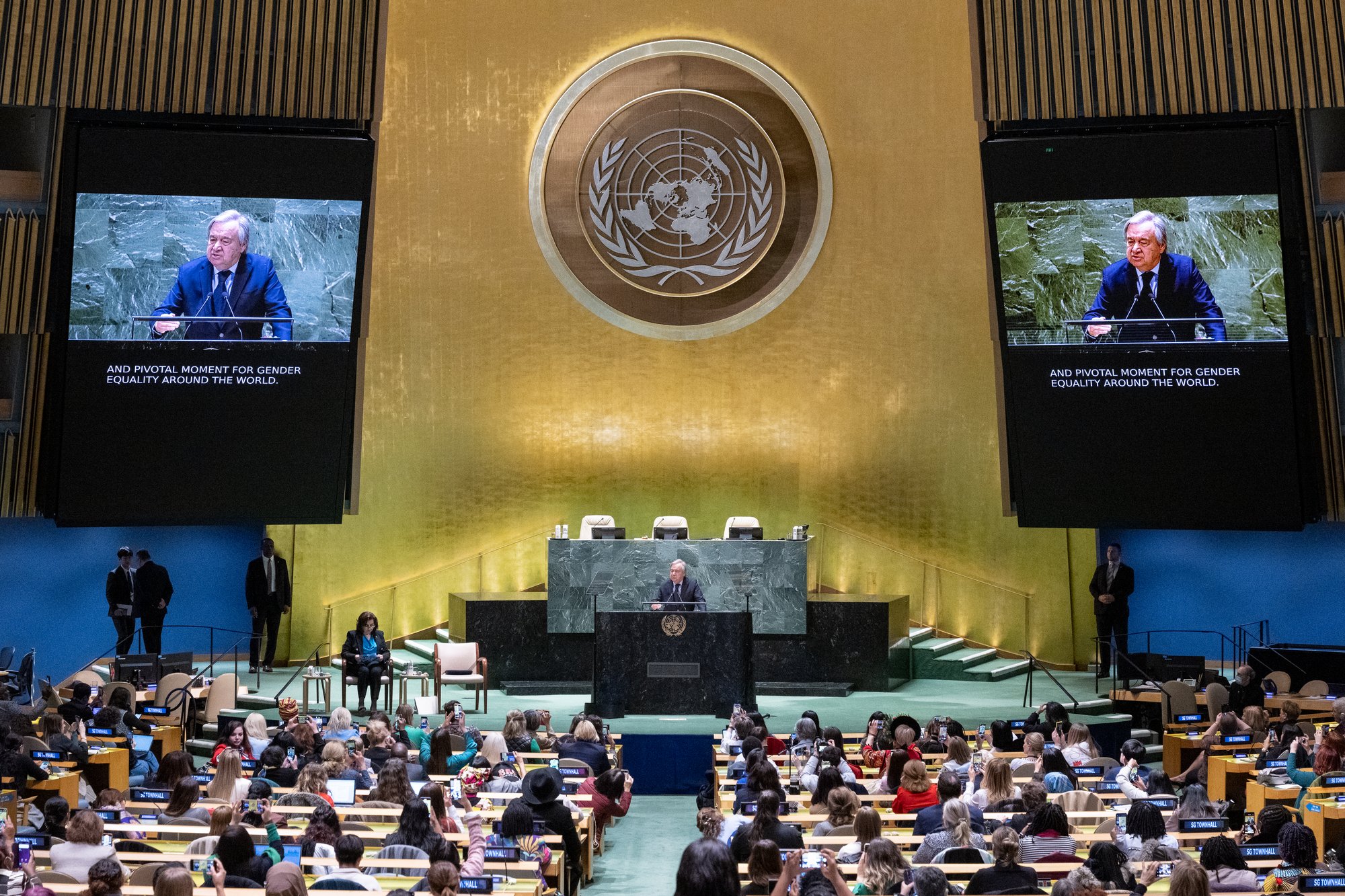
Now, Pakistan is being drawn onto the same track, with joint U.S. oil exploration as part of a trade deal. It’s the kind of backroom deal-making that keeps countries trapped in the fossil-fueled slow lane, when we should be upgrading to a cleaner, faster, fairer energy system. The UN Secretary-General has made it clear: the just transition isn’t a luxury—it’s a lifeline, offering economic, social, and security benefits that countries like Pakistan deserve just as much as anyone else.
Deals that deepen Asia’s oil and gas dependence run counter to the urgent need to decarbonize our economies. At a time when sustainable solutions are gaining momentum, reinforcing fossil fuel supply chains will only lock countries into a high-carbon future.
With the world dangerously approaching the 1.5°C limit, we can’t afford to veer off the clean energy track. These deals aren’t just bad for emissions—they rob Asian nations of the steering wheel in shaping their own energy futures. It’s time to hit the brakes on fossil fuel expansion and shift into high gear on decarbonization before the crash becomes unavoidable.”
Media contact:
Ilang-Ilang Quijano, 350.org Asia Communications Manager, ilang.quijano@350.org





Leave A Comment