

Asia – 350.org Asia responds to the release of the UN IPCC Climate report entitled; Climate Change 2022: Mitigation of Climate Change, with a call to end fossil fuel finance.
Chuck Baclagon, Asia Regional Finance Campaigner at 350.org says, “It is clear beyond doubt that fossil fuel consumption has put us in this dire situation, and we must acknowledge that Asian banks are still the top lenders and underwriters for coal globally. The way out of this crisis is if we turn off the money tap to the fossil fuel industry and redirect it to community-led local solutions. The IPCC report points to mitigation measures that governments can take but it is crucial that we, the people, keep our financial institutions under the microscope, and demand an end to fossil fuel finance.”
Norly Mercado, Asia Regional Director at 350.org says, “The first two IPCC reports showed us how bad the situation is. This report tells us the way out of this crisis. The window of time to act is fast decreasing, but we can still shape how our future will look if we rapidly decarbonise. This means strictly no new fossil fuel infrastructure and a phase down and phase out of existing fossil fuel projects. If we do this, we create the conditions for justice, for equity, for solidarity and survival.”
Shibayan Raha, South Asia Senior Digital Organiser at 350.org says, “Development and climate action are not mutually exclusive. The recent IPCC report underlines that accelerated and equitable climate action in mitigating, and adapting to climate change impacts is critical to sustainable development. In Bangladesh, coal power plants that claim to be crucial parts of economic development, like the Matarbari coal plant, actually lock us further into climate chaos and economic debt traps. To phase down and phase out fossil fuels is how we save our planet, and to invest in community-led renewable solutions is how we improve energy access in the Global South.”
Jeri Asmoro, Indonesia Digital Campaigner at 350.org says, “Once again, climate scientists are emphasizing that we must act immediately to avoid the worst of the climate crisis. Banks have a big role to play here, as some are directly responsible for climate disasters by continuing to fund fossil fuel projects. Currently there are four banks in Indonesia that are still funding coal dirty energy projects. The banks are BNI, Mandiri, BRI and BCA. What will their role now be in solving this crisis? The IPCC report is clear that we must shift away from fossil fuels and it is time that banks and financial institutions follow.”
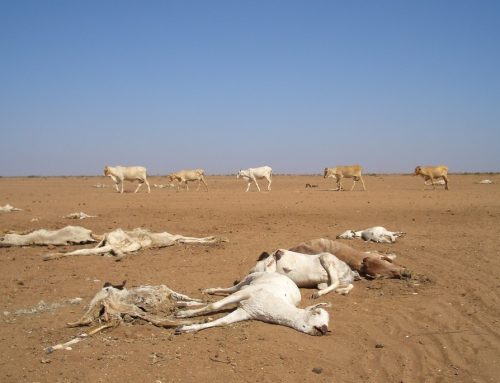
For 30 years the UN IPCC reports have proven beyond doubt that climate impacts are increasingly frequent and devastating. Frontline communities, who have contributed the least to the climate crisis, are increasingly experiencing the worst impacts. We have a decreasing window of time to prevent the worst of all possible futures, but we are hopeful that by taking action we can create the change needed to solve the crisis.
###







Leave A Comment