

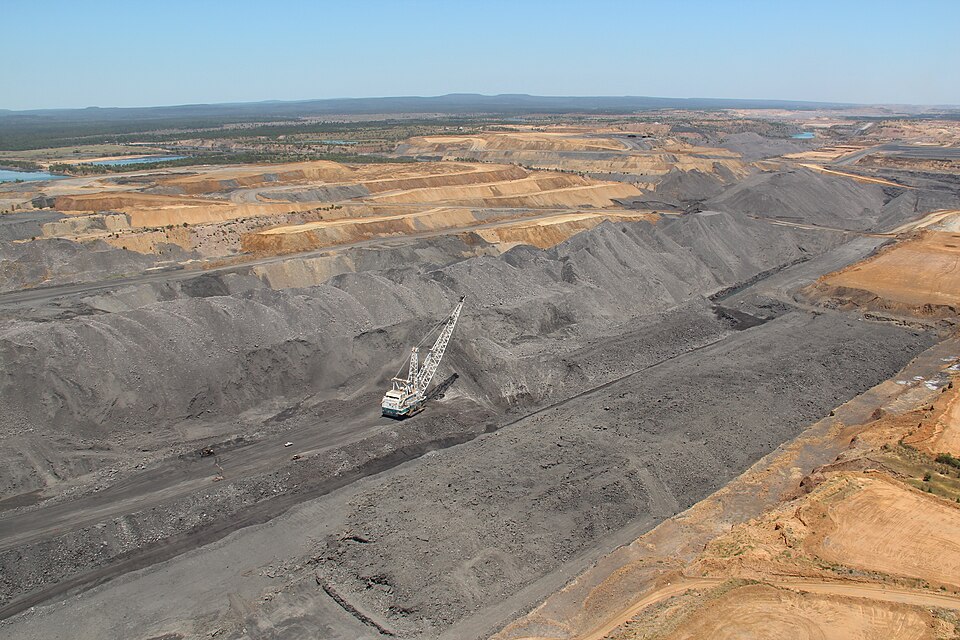
Jakarta, November 4, 2021. Good news came from the ongoing COP 26 in Glasgow where Indonesia stated an intention to phase out coal-fired steam power plant (PLTU) operations by 2040. In this matter, Greenpeace Indonesia really hopes that the government will translate it into various policies, and carry them through with a clear roadmap, since in the latest 2021-2030 National Electricity Procurement Plan (RUPTL), for example, PLTUs still receive an additional 13.8 Gigawatts portion.
Furthermore, the Minister of Finance Sri Mulyani stipulated the need for a large funding requirement for the PLTU phase out step, and longed for international support. Asian Development Bank (ADB) also launched the Energy Transition Mechanism to help a number of Southeast Asian countries, including Indonesia, closing about 50% of PLTUs over the next 10 to 15 years.
In response to this, Greenpeace Southeast Asia Climate and Energy Campaign Strategist, Tata Mustasya stated: “This initiative could be a way out for Indonesia to stop operating PLTUs by 2040 according to IPCC recommendations, and make an ambitious transition to clean and renewable energy. PLTU plants with a current capacity of 31.9 GW have contributed greatly to the climate crisis and its adverse health, social and economic impacts on Indonesian people. In addition, there are 13.8 GW of PLTUs in the 2021-2030 RUPTL, where 90 percent of which will be built in Java and Sumatra that are already experiencing over capacity.”
However, can this initiative really be a game changer to push the just energy transition? This really depends on its implementation plan, the devil is in the details. Therefore, ADB and the Government of Indonesia must take the following steps:
First, ensuring the early retirement of coal-fired power plants followed by a real transition to clean and renewable energy, such as using solar energy. This initiative should not bring the Indonesian people into false solutions, like gas energy, which will actually delay the transition.
Second, removing barriers and creating incentives for clean and renewable energy development in Indonesia that has plentiful potential. Hence, additional capacity from clean and renewable energy can go synchronized with the closing of coal-fired power plants to ensure energy access for all Indonesians. The transition must be initiated and led by the government, not by the market.
Third, carrying good governance through transparency and involving all stakeholders in the planning, implementation, monitoring and evaluation of the mechanism.
Fourth, ensuring that the mechanism will not become a bailout and new rent-seeking activities. The pricing in this mechanism must be effectuated in a transparent manner to prevent over-pricing which overlooks that PLTUs are threatened to become stranded assets in the next 10-15 years and are currently in a state of overcapacity.
Fifth, taking into account externalities and damage recovery costs from coal-fired power plant operations. This must provide adequate and equitable financing for the recovery of health, economic and social impacts for affected people.
“This announcement is meaningless if the policy implementations are contradictory. The closing of the PLTUs really must be accompanied by the development of clean and renewable energy, not running to only false solutions, and not disregarding the harmful effects of its operations that have been and will continue to occur until 2040,” Tata said.
ENDS
Media contact:
Tata Mustasya, Greenpeace Southeast Asia Climate and Energy Campaign Coordinator, +62812-9626-997, tata.mustasya@greenpeace.org
Ester Meryana, Greenpeace Indonesia Media Campaigner, +62-811-1924-090, ester.meryana.ishanti@






Leave A Comment